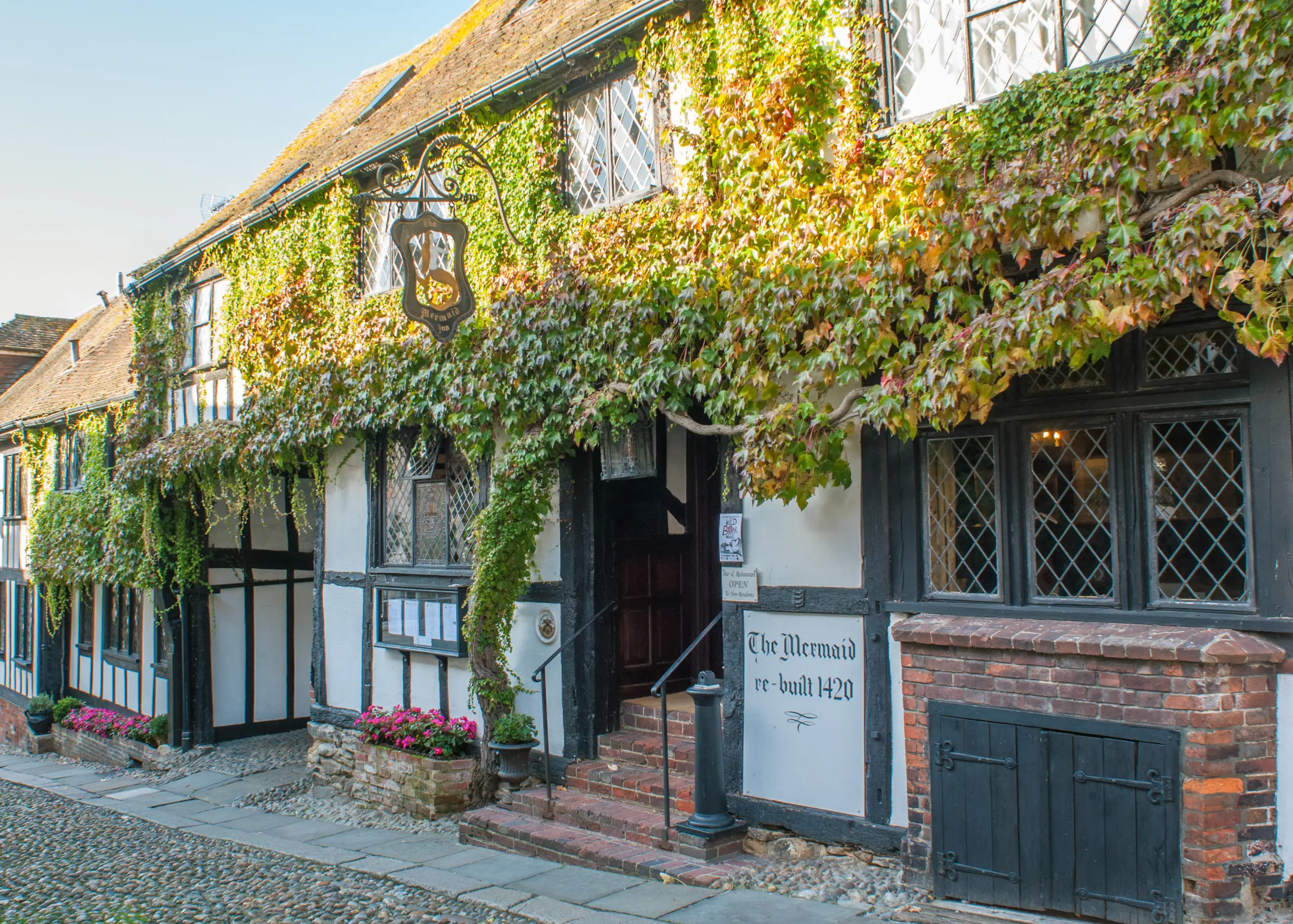
There’s a particular charm to a period home. The uneven floorboards. The deep window sills. The fireplace that has outlived several generations. From the medieval streets of Rye to the Georgian shopfronts of Tenterden, period homes are part of what helps give our corner of the country its character.
Loving a home and understanding a home are, however, two slightly different things. Here are a few practical things worth looking at before you fall in love completely.
Listed status and what it really means
If a property is Grade II listed, it doesn’t mean you can never change anything. It simplymeans that changes to anything of historic character, such as windows, doors, chimneys, and some internal features, will need proper consent. The same is often true about the colour of the outside of your house.
It is also worth understanding that many of these properties also fall within conservation areas. So even if the property isn’t listed there may still be restrictions on changes to the outside of the building, including windows, doors, roofing materials and paint colour
It’s more about planning ahead than being locked out of decisions. These rules and restrictions are to protect what you have fallen in love with, so it is not all bad news.
How the house handles damp
Older homes were built to breathe. Solid walls, lime mortar and original windows all worked together to keep moisture moving through the building.
Modern homes, by contrast, are generally built to be much more airtight and energy efficient. Rather than allowing moisture to pass through the building fabric, they rely on insulation, damp-proof courses and controlled ventilation to manage condensation and humidity.
It isn’t that one approach is better than the other. They’re simply different systems, andunderstanding how your home is designed to deal with moisture can help you avoid well-intentioned repairs that may actually make damp problems worse.
The roof, the chimneys and everything above head height
The most expensive surprises in period homes tend to live upstairs. Slipped slates, ageing lead flashings and cracked chimney stacks. On a viewing, take a moment to step back from the property and simply look up you’ll spot more than you’d think.
As before, none of this is an issue, but going in aware means that you don’t get a surprise.
Energy efficiency, honestly
Period homes and modern EPC ratings don’t always speak the same language. A cottage from 1780 was never designed to hit a “C”. That doesn’t mean it will be a cold home to live in often quite the opposite but running costs may be a little higher, and it’s worth thinking ahead about how you’d heat and insulate it sympathetically.
Boundaries and quirks
Older homes come with older paperwork. Historic hedge lines may mark the boundary, or there may be shared access. Rights of way are often in place that predate modern deeds. It’s rarely a problem, but your solicitor will want to look at it carefully. A slightly quirky title is very much part of the character.
The features worth protecting
The best period homes have had owners who loved the details. Original beams, panelled doors, floor tiles, working fireplaces, and the way the light moves through old windows.
Period homes reward the buyer who goes in with their eyes open. None of these points should put you off. They’re simply things worth understanding early, so the charm can be enjoyed without any hidden surprises later.
If you’re looking at a period home anywhere from Rye to Northiam, or across Battle and beyond, we’d be very glad to walk through it with you. We know these houses well, and can help you see them for what they truly are.